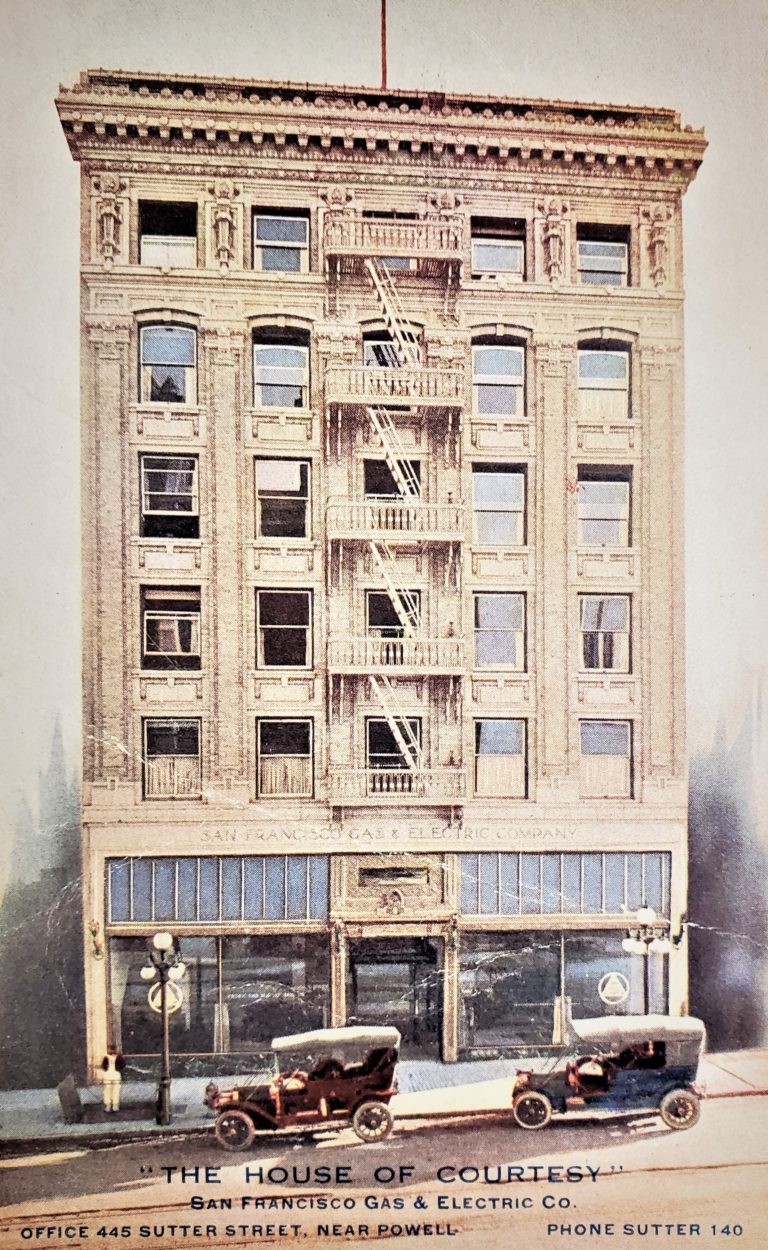
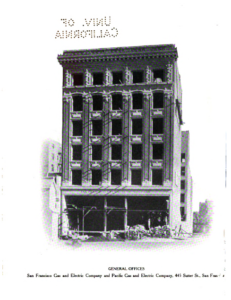
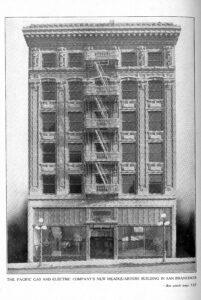
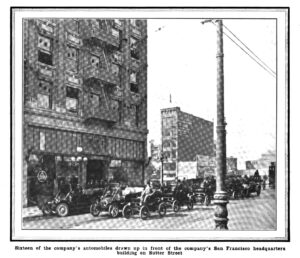
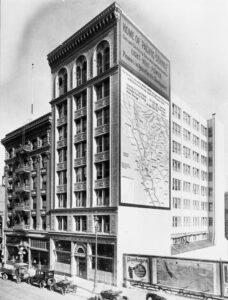
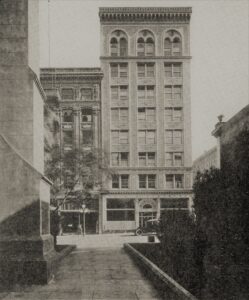
Over the years, the Philippine Center has undergone a series of renovation, restoration, and building improvement projects to preserve its historic character while enhancing its functionality as a hub for Philippine government, business, culture, tourism, and community engagement.
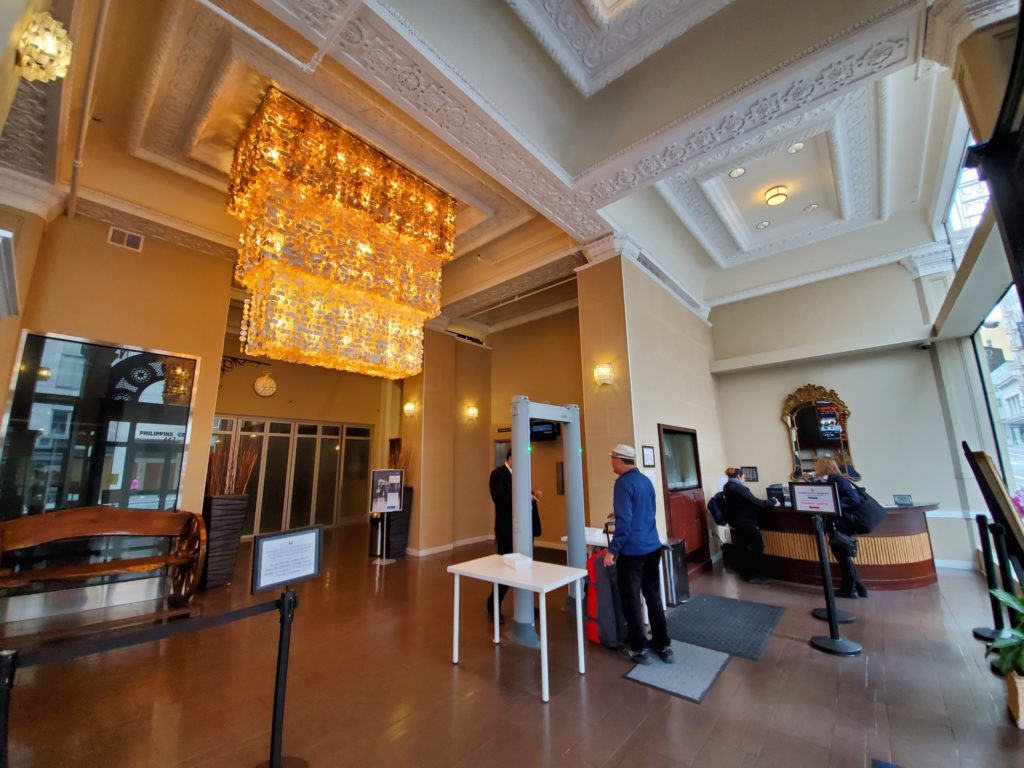
Among the Center’s most significant undertakings was the expansion and renovation of its main lobby, transforming it into a more spacious and welcoming venue that serves as the public face of the building. The lobby was expanded from 351 to 1,488 square feet to better accommodate tenants, visitors to the Philippine Consulate General, and guests attending events at the Center.
The renovated lobby blends modern amenities with carefully preserved historic architectural detail. A 20-by 8-foot video wall, comprising 18 LCD panels, continuously displays imagery and footage highlighting Philippine destinations, culture, history, and heritage.
Alongside these upgrades, the Center’s original Renaissance- and Baroque-inspired architectural elements were meticulously restored. Restoration specialists preserved the ornate ceiling and column detailing while integrating recessed and modern lighting systems. The flooring was replaced with contemporary ceramic tile designed to complement the aesthetic of the traditional bahay na bato (“stone house”), an architectural style associated with Philippine structures of the Spanish colonial period.
The centerpiece of the renovated lobby is the Banaue Chandelier, a three-tier grand capiz chandelier commissioned by the Philippine Center Management Board (PCMB). Inspired by the roughly 2,000-year-old Banaue Rice Terraces, the chandelier honors the Ifugao ancestors who carved the terraces into the mountains of Northern Luzon. Designed by Dennis Chan of Shell Arts Company, Inc., the piece comprises approximately 28,000 gold-tinted capiz shells and was handcrafted by 16 artisans over 14 days.
Another major undertaking was the construction of Kalayaan Hall, a ground-floor event space exceeding 2,750 square feet, equipped with a kitchen to support banquets, cultural events, community meetings, and other institutional functions.
In recent years, the Center has continued essential modernization and building improvement work while preserving the character of its historic structures. These initiatives include modernization of three elevators and 16 restrooms, restoration of fire escape, upgrades to building systems and life-safety features, roof deck and waterproofing improvements, common area enhancements and cosmetic improvements to tenant spaces.
These ongoing efforts reflect PCMB’s continuing commitment to preserving the Philippine Center’s historic and architectural legacy, while ensuring its facilities remain safe, accessible, modern, and functional for Philippine Government offices, tenants, visitors, and the diverse Filipino, American, and international communities it serves.